
Quick Answer
STEM education in Saudi Arabia is transforming classrooms through national initiatives like Mawhiba and innovation programs supported by the Misk Foundation. Combined with project-based learning models, students are developing technical, analytical, and problem-solving skills aligned with Vision 2030 industries such as artificial intelligence, renewable energy, healthcare, and smart infrastructure.
Introduction
Saudi Arabia is building entire ecosystems powered by artificial intelligence, robotics, and sustainable technology. Projects like NEOM are not just ambitious; they require thousands of engineers, data scientists, and innovators to become a reality. That workforce is not being created in corporate offices or universities. It is being built right now inside school classrooms.
STEM education in Saudi Arabia has become a central part of Vision 2030 workforce development. The focus is shifting from memorisation to application, from theory to problem-solving. Students are no longer just learning subjects; they are learning how to use knowledge to create, design, and innovate. This is not a gradual change. It is a deliberate shift to prepare a generation that can support a rapidly evolving economy.
What STEM Education Looks Like in Saudi Arabia
STEM education in Saudi Arabia is being shaped through national initiatives, institutional support, and curriculum transformation. Mawhiba, the national program for gifted students, identifies high-potential learners in science and mathematics and connects them with advanced training, competitions, and research opportunities. This ensures that talent is recognised early and developed systematically.
The Misk Foundation supports youth development through innovation programs, entrepreneurship training, and leadership initiatives. It creates opportunities for students to engage with real-world challenges beyond the classroom. King Abdulaziz City for Science and Technology (KACST) plays a central role in advancing scientific research and linking education with national innovation priorities. It supports initiatives that strengthen science and technology learning nationwide.
NEOM represents the future of smart cities and sustainable living. It requires a workforce skilled in advanced technologies, engineering, and data systems, which STEM education is designed to build from the early stages of schooling. Together, these initiatives show that STEM education is part of a broader national ecosystem designed to prepare students for real-world impact.
Why STEM Education Is Critical for Vision 2030
Vision 2030 focuses on building a diversified economy in which innovation and technology drive growth. This requires a workforce capable of adapting to new challenges and working with complex systems. STEM education directly supports this goal by aligning learning with industry needs. Students are introduced to real-world applications early, helping them understand how their knowledge connects to future careers.
Key sectors driving demand include fintech, renewable energy, healthcare innovation, tourism technology, and logistics. These industries require individuals who can analyse data, design systems, and solve problems effectively. By embedding these capabilities into education, Saudi Arabia is preparing a workforce that can actively contribute to economic transformation.
How STEM Learning Is Being Implemented
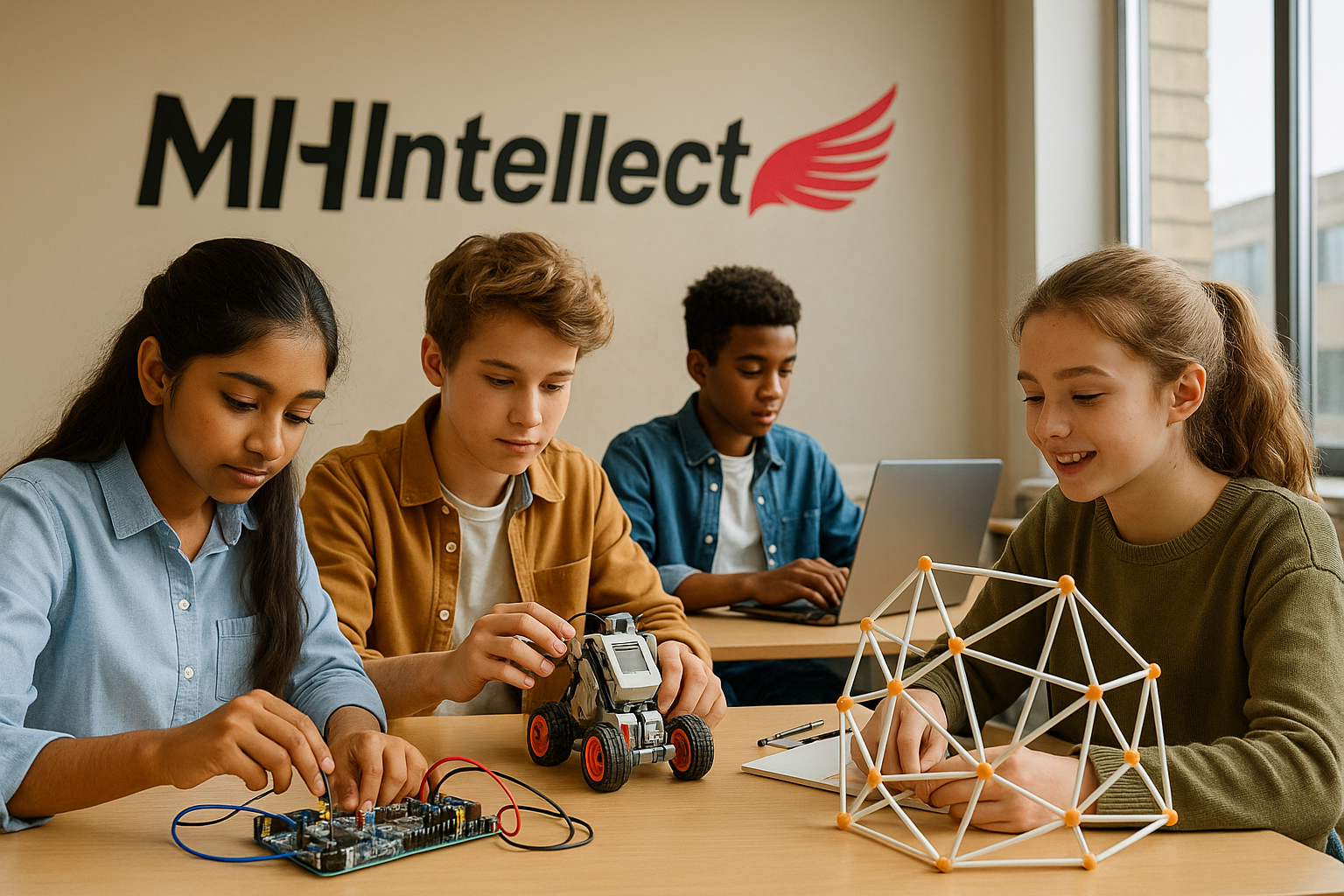
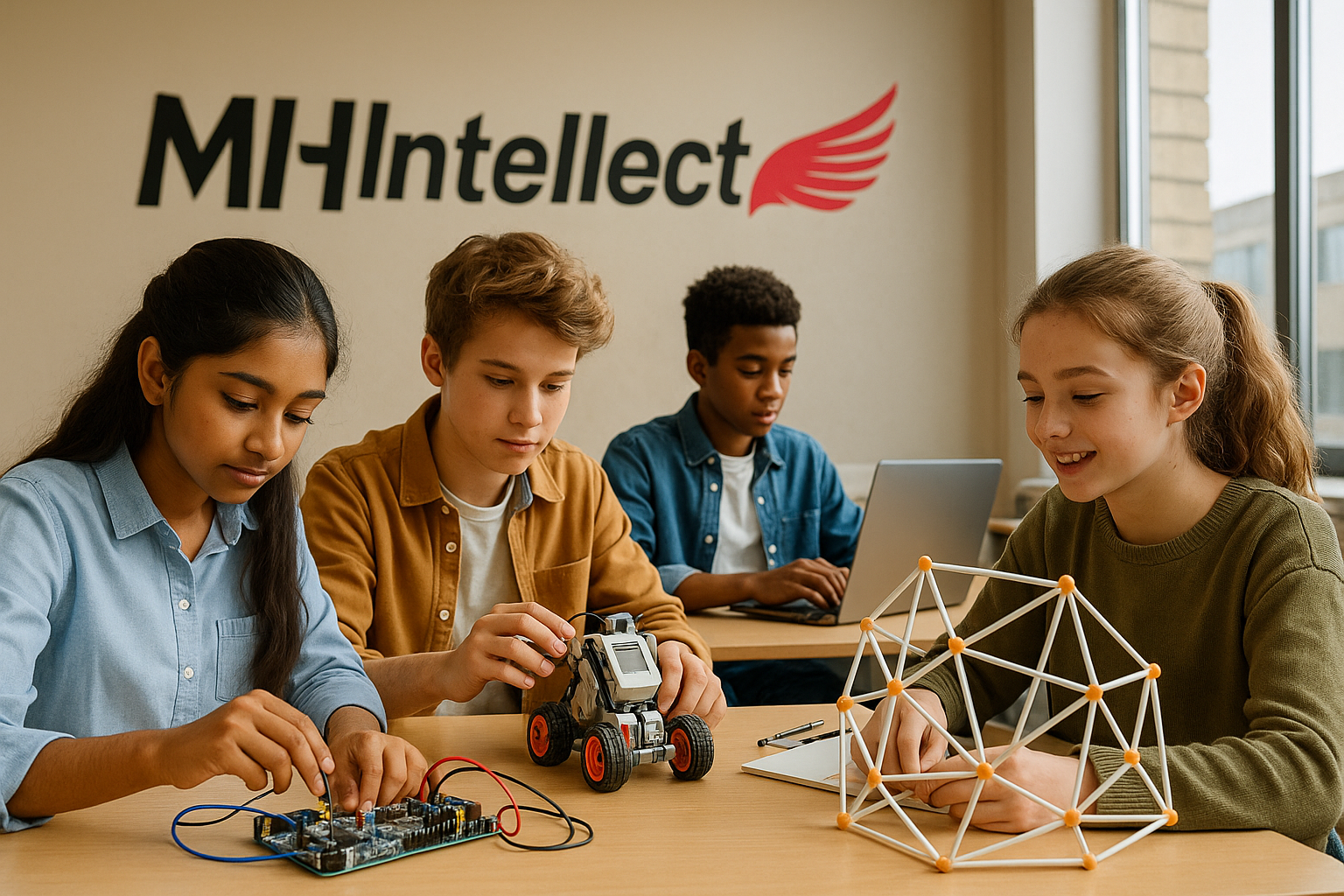
STEM schools in KSA are evolving into interactive learning environments where students actively engage with concepts. Teaching methods now include project-based learning, STEAM integration, and maker spaces. Students are encouraged to experiment, build, and test their ideas rather than simply follow instructions.
Digital platforms and simulations allow students to explore complex systems and visualise outcomes. This supports deeper understanding and practical application. This shift reflects a broader transformation in the science and technology curriculum in Saudi Arabia, where learning is designed to prepare students for real-world challenges rather than exams alone.
Project-Based Learning: What It Looks Like in Practice
Project-based learning (PBL) is one of the most effective approaches shaping STEM education in Saudi Arabia. In a typical PBL classroom, students are given a real-world challenge rather than a predefined solution. For example, they might be asked to design an energy-efficient system or develop a smart transportation model.
Students work in teams to research the problem, analyse potential solutions, and build prototypes or proposals. They test their ideas, refine their approach, and present their findings. This process mirrors how challenges are addressed in real industries. It teaches students how to think critically, collaborate effectively, and adapt their strategies based on results.
STEM Education and Workforce Development
STEM education is closely linked to workforce development in Saudi Arabia. It ensures that students are not only academically prepared but also equipped with practical skills. Students gain exposure to problem-solving, data analysis, and system design. These skills are essential in industries aligned with Vision 2030. As they progress, students begin to understand how their education connects to future careers. This helps them make informed decisions and prepares them to enter the workforce with confidence.
Traditional Learning vs STEM-Based Learning
Learning Metric
Traditional Learning
STEM-Based Learning
Learning Approach
Focus on theory and memorisation
Application-based, project-driven learning
Student Role
Passive listener
Active participant and collaborator
Skill Development
Academic knowledge
Technical, analytical, and creative skills
Assessment Method
Written exams
Projects, prototypes, and presentations
Industry Alignment
Limited connection to workforce needs
Direct alignment with Vision 2030 industries
Learning Outcome
Concept recall
Practical understanding and adaptability
Skills Students Develop Through STEM Education
STEM education builds essential skills that prepare students for real-world challenges.
Analytical thinking and logical reasoning
Students learn to break down complex problems into smaller components and evaluate possible solutions before taking action. This builds structured thinking that is essential in technical fields.Problem-solving through real-world scenarios
Students work on challenges that reflect real situations rather than textbook exercises. This helps them understand how knowledge is applied in practical contexts.Creativity and innovation
Students are encouraged to design solutions and explore new ideas rather than follow fixed methods. This develops confidence in thinking independently.Collaboration and teamwork
Working in groups teaches students how to communicate effectively and integrate different perspectives. These skills are critical in professional environments.Technical skills in modern tools
Students gain hands-on experience with coding, digital systems, and data tools. This prepares them for technology-driven careers.
STEM for Girls and Inclusion in Saudi Arabia
Inclusion is becoming a central focus of STEM education in Saudi Arabia, particularly in increasing female participation. Programs supported by the Misk Foundation and Mawhiba are encouraging girls to pursue careers in science and technology. Schools are also expanding opportunities for female students to participate in coding, robotics, and engineering activities. This shift aligns with Vision 2030’s goal of increasing female workforce participation to 30%. Ensuring equal access to STEM education is not just a social priority; it is an economic necessity.
Challenges in STEM Education Implementation
Despite progress, STEM education in Saudi Arabia faces several challenges. There are access gaps between urban and rural schools, particularly in infrastructure and advanced tools. Teacher training is another critical factor, as educators need to be equipped with modern teaching methods such as project-based learning.
There is also a need for more Arabic-language resources in coding and technical subjects to ensure accessibility. Additionally, standardised frameworks for assessing STEM learning are still developing. The Ministry of Education’s ongoing investment in teacher development programs and digital infrastructure is gradually addressing these gaps and improving consistency across regions.
Future of STEM Education in Saudi Arabia
Rapid technological advancements will shape the future of STEM education in Saudi Arabia.
Artificial intelligence and robotics are expected to become integrated into classroom learning, both as subjects and as tools for teaching. Students will interact with simulations, automated systems, and real-time data environments. Over the next five years, classrooms are likely to become more interactive and technology-driven. Students will gain exposure to advanced systems that reflect real-world industries. As projects like NEOM continue to evolve, they will influence how education is structured. Students will need to understand sustainability, smart infrastructure, and innovation more deeply.
Key Takeaways
STEM education in Saudi Arabia is directly aligned with Vision 2030’s goal of building a diversified, technology-driven economy. Students are being prepared for real-world industries through project-based learning and practical skill development.
National initiatives such as Mawhiba, Misk Foundation, KACST, and NEOM are shaping the direction of STEM education. The shift from theoretical learning to applied learning is helping students develop skills needed for future careers. Inclusive STEM education, especially for girls, is essential for achieving workforce participation targets and economic growth.
Conclusion
STEM education in Saudi Arabia is not just an educational reform. It is a strategic investment in the country’s future. By focusing on practical learning, real-world applications, and industry alignment, schools are preparing students to contribute to sectors that will define the next phase of economic growth. As Vision 2030 progresses, STEM education will remain a key driver of workforce development. Students who gain these skills today will become the innovators, engineers, and leaders of tomorrow. The transformation is already underway—and it begins in the classroom.
Write a comment ...