
Why STEM Education Is Expanding in the UAE and Saudi Arabia
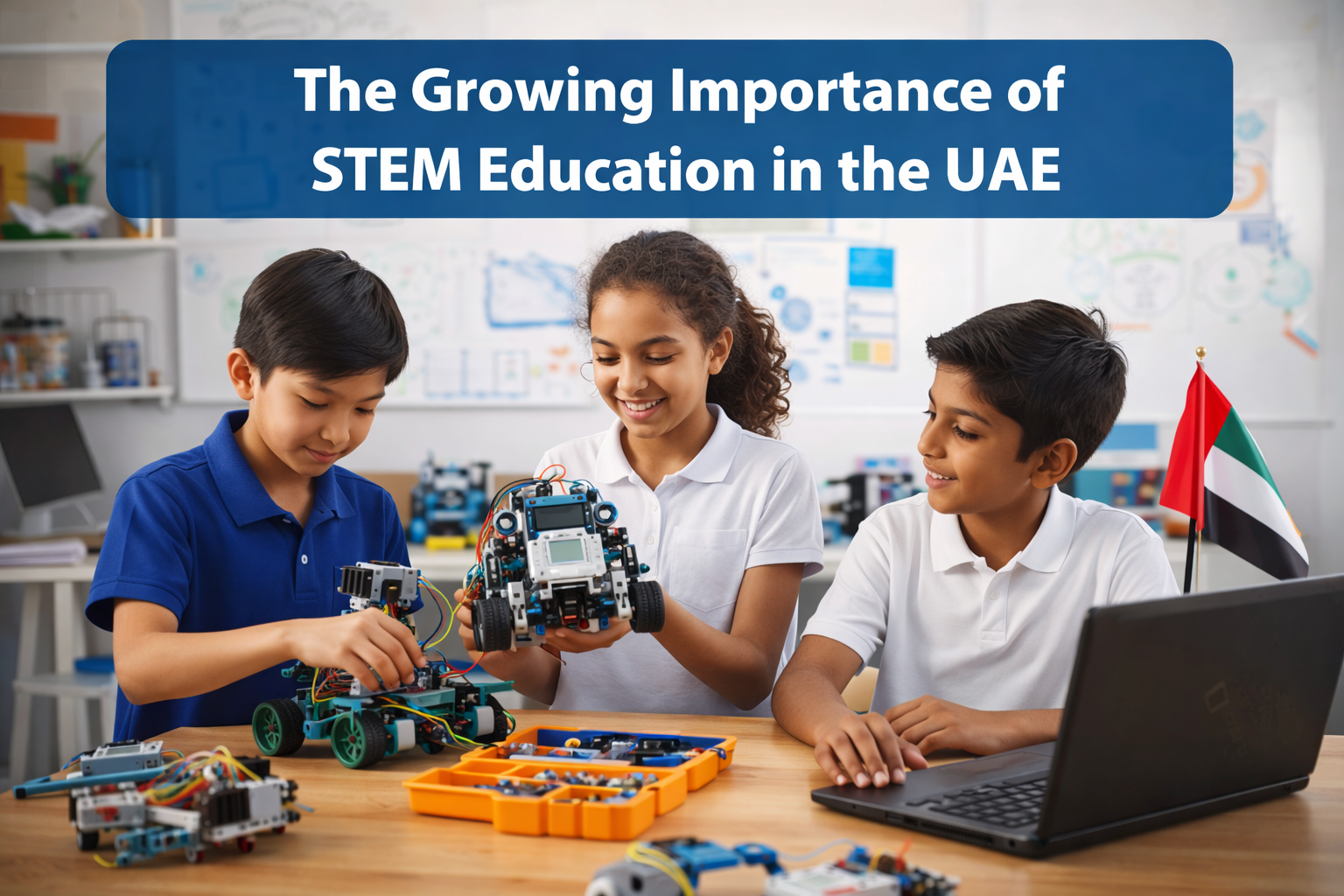
In the UAE, innovation-driven education is a national priority. Under UAE Vision 2031, the country aims to build a knowledge-based economy driven by sectors such as fintech, aerospace, smart government technologies, and advanced manufacturing. To support these goals, authorities such as KHDA (Dubai) and ADEK (Abu Dhabi) encourage schools to integrate robotics, coding, and engineering learning into their curriculum.
This shift is clearly visible in STEM education in Dubai and STEM education in Abu Dhabi, where many British, American, and IB curriculum schools are introducing robotics labs, AI learning modules, and engineering innovation programs.
Saudi Arabia is following a similar path through Saudi Vision 2030, which aims to develop a highly skilled workforce capable of leading the technology and engineering industries. National institutions such as Mawhiba and KACST support STEM innovation programs that encourage schools to adopt robotics and engineering education.
As a result, schools across both countries are increasingly introducing hands-on STEM learning programs that combine robotics, coding, engineering, and digital technologies to help students understand how modern technology works. For deeper insights, explore our blogs, STEM Education in UAE Schools and STEM Education in Saudi Arabia.
STEM Learning for KG – Grade 2 Students
At the early learning stage, STEM education focuses on exploration and curiosity. Young learners understand concepts best when they can interact with technology through play-based activities.
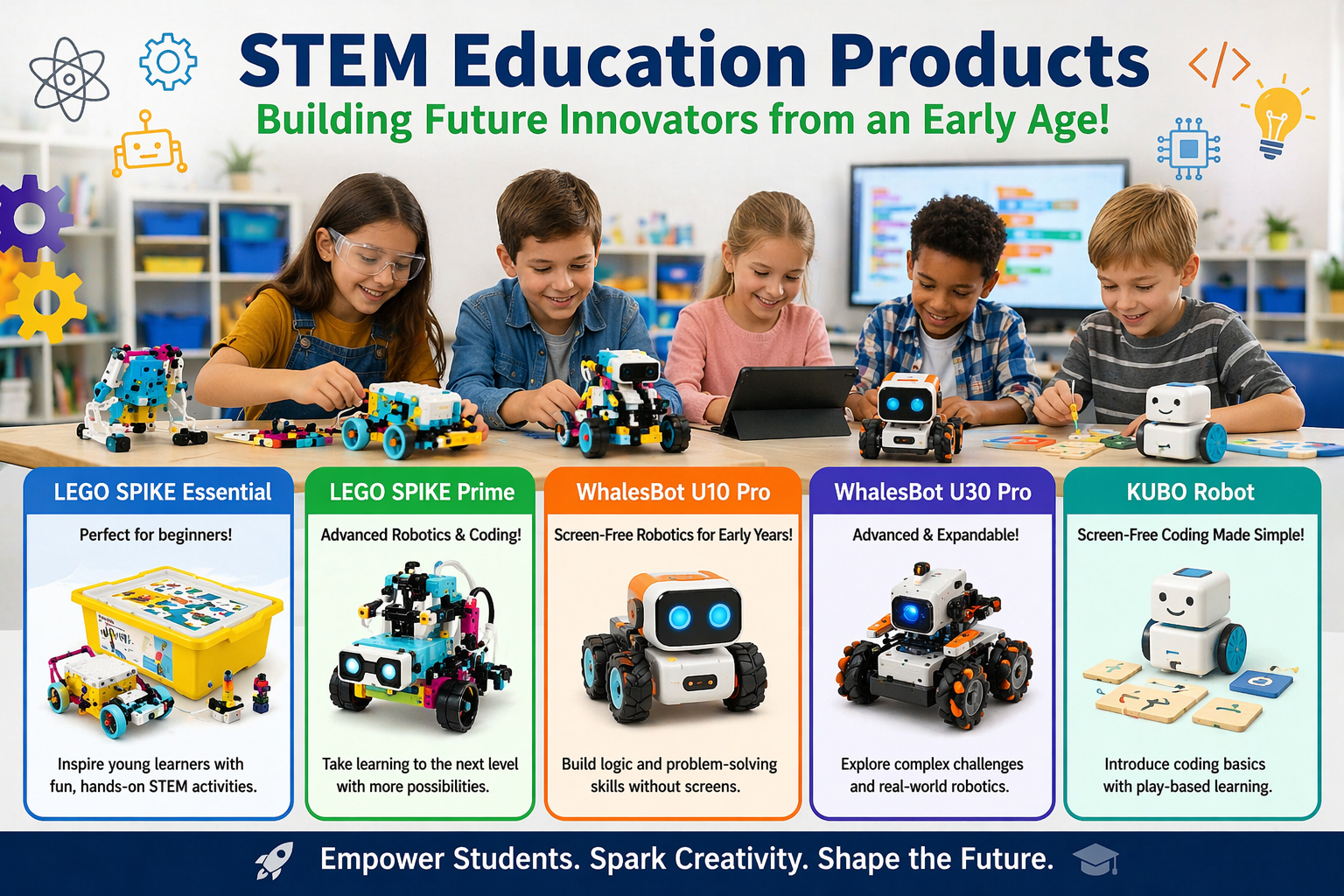
Educational tools such as LEGO SPIKE Essential allow students to build simple robotic models and control them using visual coding blocks. This approach helps children understand how instructions influence movement and behaviour in machines. Robotics systems such as Whalesbot kits and Kubo robots introduce sequencing and logical thinking through interactive challenges. In schools implementing STEM education in Dubai and Abu Dhabi, early robotics learning is increasingly encouraged to build digital literacy and creative thinking skills from the foundation stage.
STEM Programs for Grade 3 – Grade 8
During middle school, STEM learning becomes more project-based and engineering-focused. Students begin designing and programming machines that demonstrate real-world engineering principles. For example, LEGO SPIKE Prime allows students to construct programmable robots using sensors and motors. These projects help students understand how mechanical engineering and coding interact.
Drone learning platforms such as Nano Drone EDU allow students to explore aerodynamics and flight programming. Students may also work with 3D printing technologies to convert digital designs into real prototypes while learning the engineering design process. Across schools implementing STEM education in Dubai, Abu Dhabi, and Saudi Arabia’s STEM initiatives under Vision 2030, middle school programs focus on building creativity, collaboration, and engineering problem-solving skills.
Advanced STEM Programs for Grade 9 – Grade 12
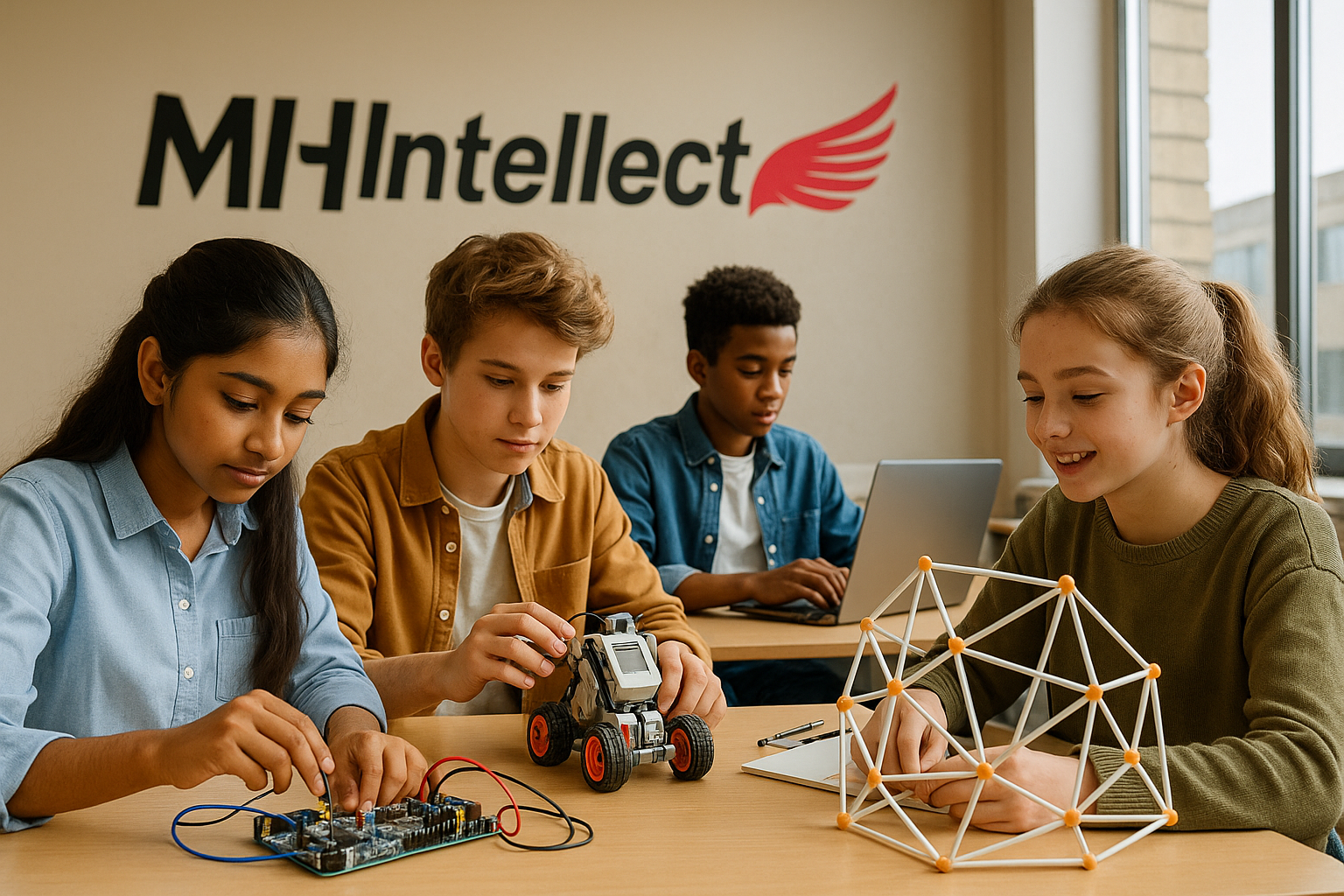
High school STEM programs prepare students for university-level engineering and technology careers. Students work with electronics platforms such as Arduino UNO, Arduino Nano, and Arduino Mega, which enable them to build programmable systems that control sensors and motors.
Platforms such as the ESP32 and ESP32-CAM introduce Internet of Things (IoT) technologies that enable devices to communicate wirelessly. Engineering projects may also involve flight simulation systems and programmable drones that teach aviation concepts such as aerodynamics and navigation. These advanced STEM programs align with workforce development goals under Saudi Vision 2030 and innovation goals under UAE Vision 2031.
Benefits of Hands-On STEM Learning
Hands-on STEM learning allows students to experience science and engineering concepts through experimentation rather than memorisation. Across schools implementing STEM education in Dubai, STEM education in Abu Dhabi, and STEM programs in Saudi Arabia, practical learning environments are helping students engage more deeply with science and mathematics. Robotics projects, coding activities, and engineering challenges encourage creativity, teamwork, and analytical thinking while helping students develop the skills required for modern technology careers.
How Schools in the UAE and Saudi Arabia Can Implement STEM Programs
Introducing STEM education for schools requires a structured approach that integrates curriculum planning, infrastructure development, and teacher training. Schools typically begin by mapping STEM learning objectives across grade levels, ensuring that robotics, coding, engineering, and digital technology concepts are progressively introduced from early grades through high school. Curriculum mapping ensures that STEM learning aligns with existing science and mathematics subjects while supporting national education goals. The next step often involves establishing a dedicated STEM learning environment. Many schools in Dubai and Abu Dhabi have begun creating innovation labs equipped with robotics kits, electronics platforms, and maker technologies such as 3D printers. These labs allow students to experiment with engineering concepts and develop hands-on projects that bring classroom theories to life.

Write a comment ...